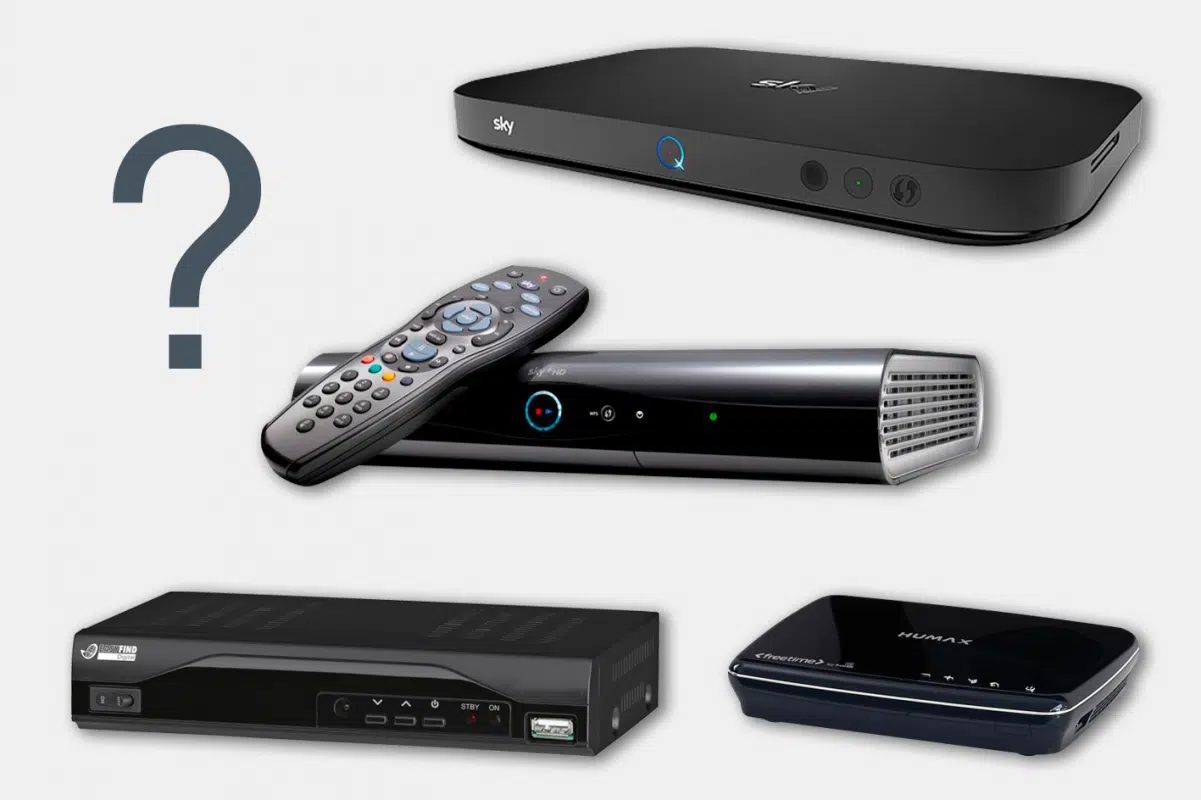


With the wide variety of satellite receivers available on the market today, choosing the right one can be confusing for many users. Each device comes with different specifications and features, which means the decision largely depends on your personal needs and how you plan to use it. Therefore, it is important to have a clear understanding of the key factors to consider before purchasing a receiver.
In this article, we will explain the most important criteria that can help you choose the most suitable satellite receiver in a practical and simple way.
First: Identify Your Basic Needs
Before looking at different types of devices or prices, you should ask yourself: what do I need from a satellite receiver?
- Do you only want to watch free-to-air channels?
- Are you interested in high picture quality such as HD or 4K?
- Do you want internet access and apps like YouTube?
- Do you need to record programs and save them?
Answering these questions will help you determine the right category and avoid buying a device with features you will not use.
Second: Picture Quality and Resolution
Picture quality is one of the most important factors when choosing a receiver. If you have a modern TV, it is better to choose a device that supports:
- HD (720p or 1080p) for regular use
- Full HD (1080p) for better clarity
- 4K Ultra HD for the highest possible resolution
Choosing a higher resolution ensures sharper images and more detailed visuals, especially when watching sports or movies.
Third: Support for Modern Broadcasting Technologies
Make sure the receiver supports the latest broadcasting technologies, such as:
- DVB-S2 or DVB-S2X for improved signal reception
- H.265 (HEVC) for efficient video compression with high quality
These technologies help you receive more channels with better quality and ensure that your device remains useful for a longer time.
Fourth: Internet Connectivity
Modern satellite receivers are no longer limited to satellite channels; they also provide additional services via the internet. Therefore, it is useful to choose a device that includes:
- Built-in Wi-Fi or a LAN port
- Support for IPTV
- Ability to run apps like YouTube
This option is ideal if you want a wider variety of content.
Fifth: Ease of Use
Some receivers have complicated menus and settings, so it is better to choose a device that offers:
- A simple and user-friendly interface
- Fast channel switching
- A comfortable and easy-to-use remote control
Ease of use is especially important for elderly users or those who are not tech-savvy.
Sixth: Storage Capacity and Recording Features
If you like to record programs or matches, look for a receiver that supports:
- PVR (Personal Video Recording)
- A USB port for connecting external storage
This feature allows you to watch your favorite content at any time.
Seventh: Price vs. Performance
The most expensive device is not always the best. You should compare the price with the features:
- If you are a regular user, you do not need a highly advanced device
- If you are an advanced user, you may need more powerful features
Choosing a device that fits your budget while meeting your needs is the best approach.
Eighth: Build Quality and Support
It is recommended to choose a device from a well-known brand to ensure:
- Good build quality
- Regular software updates
- Technical support when needed
Reliable devices last longer and provide more stable performance.